
Advanced GI Cancer Surgery in Bhopal
- Home
- GI Cancer Surgery
Our Services
Contact Our Gastro Surgery Expert
More Information
- 097111 81627
- A Multispecialty Hospital, Bansal Hospital, Sector C, Shahpura, Bhopal, Madhya Pradesh 462016
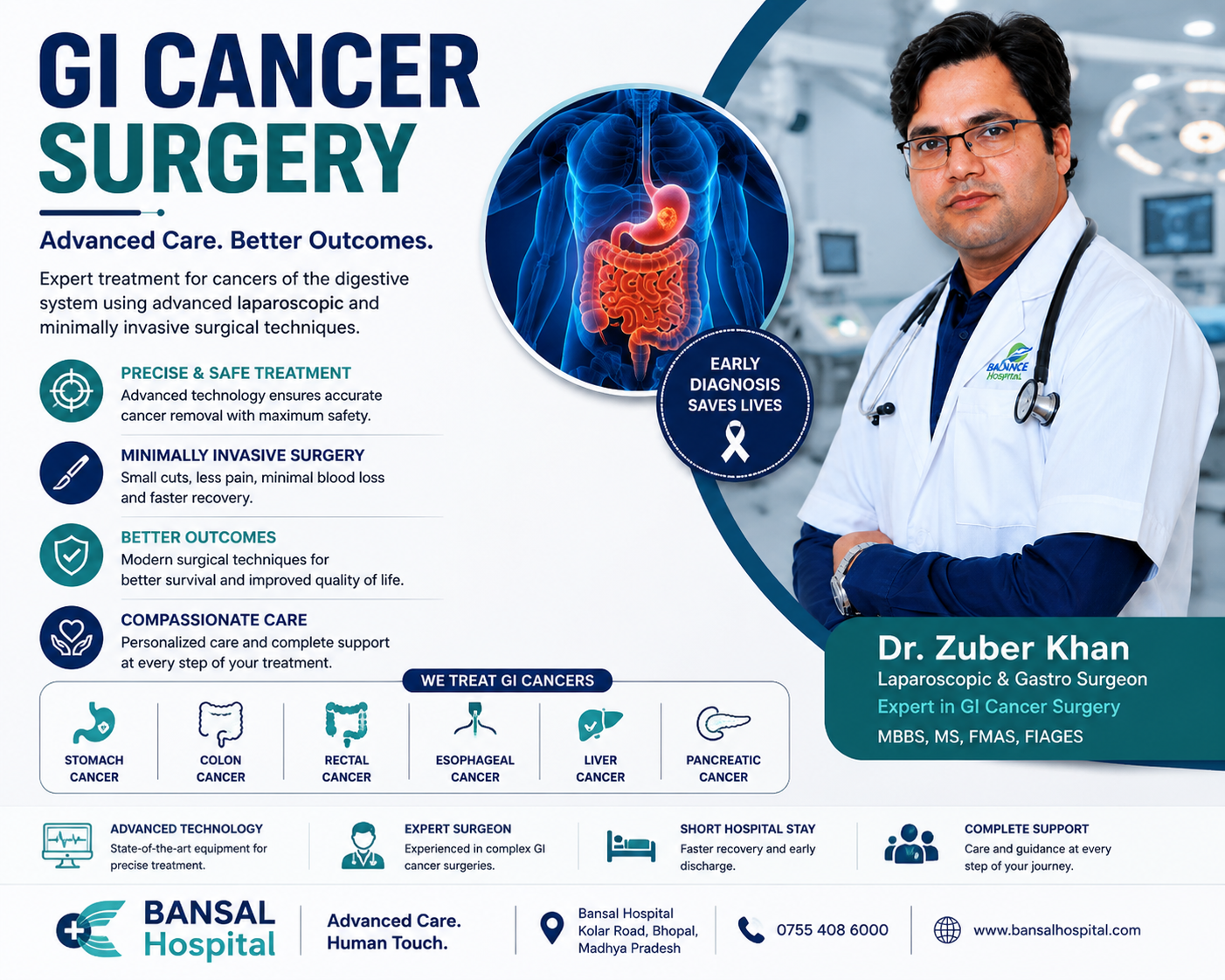
Advanced GI Cancer Surgery in Bhopal
Gastrointestinal cancer, also known as GI cancer, affects the digestive system including the stomach, colon, rectum, liver, pancreas, esophagus, and intestines. These cancers can seriously affect digestion, nutrition, and overall health if not diagnosed and treated at the right time.
Modern medical technology has made gastrointestinal cancer treatment safer and more effective through advanced laparoscopic and minimally invasive surgical techniques. If you are searching for the Best GI Cancer Surgeon in Bhopal, Dr. Zuber Khan provides advanced gastrointestinal cancer treatment at Bansal Hospital.
With expertise in laparoscopic and gastrointestinal surgery, Dr. Zuber Khan offers safe and modern surgical care for GI cancers using advanced treatment methods focused on patient safety and recovery. Patients from Shahpura, Kolar Road, Arera Colony, MP Nagar, Gulmohar, Hoshangabad Road, BHEL, Lalghati, Sehore, Vidisha, and nearby areas trust him for expert digestive cancer treatment and compassionate care.
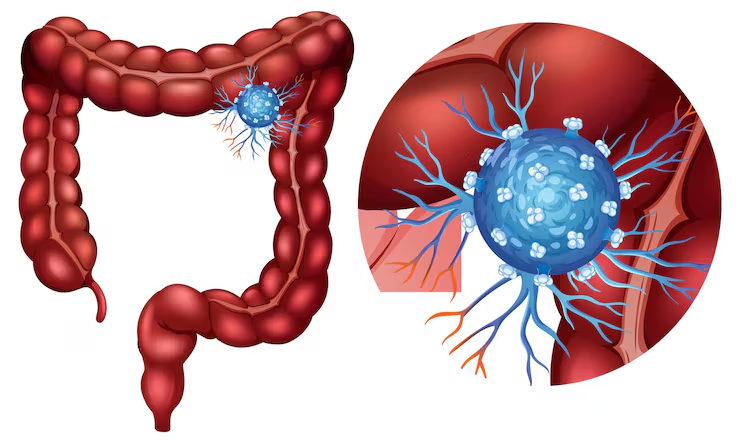
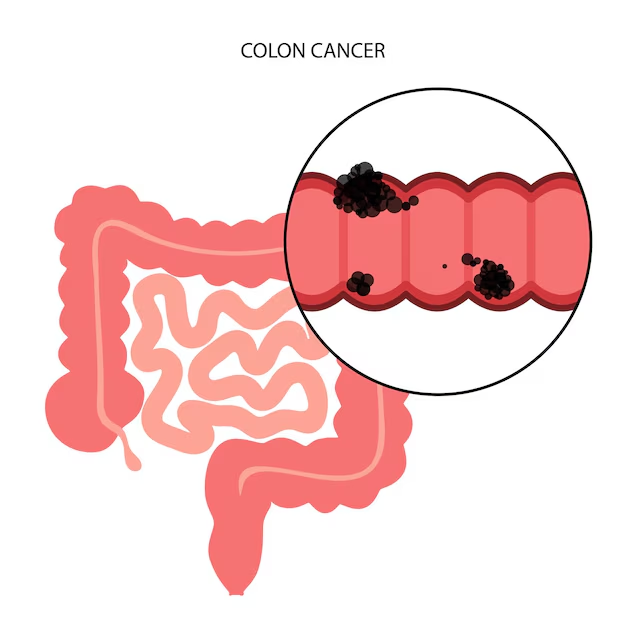
What is GI Cancer?
GI cancer refers to cancers that develop in different parts of the digestive system. These cancers may affect:
- Stomach
- Colon
- Rectum
- Esophagus
- Liver
- Pancreas
- Small intestine
- Gallbladder
Early diagnosis and proper treatment are extremely important because gastrointestinal cancers can spread to other organs if left untreated.
Modern Gastrointestinal Cancer Surgery helps remove cancerous tissue and improve long-term treatment outcomes.
Common Types of GI Cancer
Appendicitis may happen due to blockage inside the appendix. This blockage can lead to swelling, infection, and pain.
Common Causes Include:
- Infection
- Stool blockage
- Swollen lymph tissue
- Digestive tract infection
- Injury to the abdomen
Sometimes the exact cause may not be clear, but immediate treatment is very important.
Causes and Risk Factors of GI Cancer
Several factors may increase the risk of gastrointestinal cancer.
Common Risk Factors Include:
- Smoking
- Alcohol consumption
- Obesity
- Unhealthy eating habits
- Family history of cancer
- Chronic digestive diseases
- Long-term acidity or reflux
- Colon polyps
- Infections
- Lack of physical activity
Healthy lifestyle habits and regular medical checkups help reduce the risk of GI cancer.
Common Types of GI Cancer
Stomach Cancer
Stomach cancer develops in the lining of the stomach and may cause pain, indigestion, and weight loss.
Colon Cancer
Colon cancer affects the large intestine and often begins as small polyps inside the colon.
Nausea and Vomiting
Appendicitis may cause nausea and repeated vomiting.
Fever
Mild or moderate fever can occur because of infection.
Swelling in the Abdomen
Some patients experience abdominal bloating or swelling.
Difficulty Walking
Pain may increase while walking, coughing, or moving.
How GI Cancer is Diagnosed
Common Diagnostic Tests
Endoscopy
A thin camera tube is used to examine the digestive tract.Colonoscopy
This test helps examine the colon and rectum.Biopsy
A small tissue sample is tested to confirm cancer. CT Scan and MRI Imaging tests help identify cancer spread and tumor size.Blood Tests
Blood tests help evaluate overall health and organ function. Dr. Zuber Khan carefully evaluates every patient and recommends the most suitable treatment plan according to the condition and stage of cancer.Why Choose Dr. Zuber Khan?
Experienced Surgical Expertise
He has extensive experience in minimally invasive and abdominal surgeries.
Advanced Treatment Technology
At Bansal Hospital, patients receive advanced surgical care using modern equipment.
Personalized Patient Care
Each patient receives proper consultation and customized treatment planning.
Faster Recovery Approach
Modern laparoscopic techniques help improve recovery speed and patient comfort.
Healthy Lifestyle Tips to Reduce GI Cancer Risk
Untreated appendicitis can become dangerous.
Serious Complications Include:
- Burst appendix
- Severe infection
- Pus collection
- Peritonitis
- Digestive complications
- Emergency surgery requirement
This is why early diagnosis and treatment are very important.
Recovery After GI Cancer Surgery
Recovery depends on the type of surgery and overall patient health.
Recovery Tips
Eat Nutritious Food
Healthy food supports healing and energy.
Stay Hydrated
Water helps maintain digestion and recovery.
Walk Regularly
Light activity improves blood circulation.
Take Proper Rest
Rest is important for healing after surgery.
Avoid Smoking and Alcohol
These habits may slow recovery and affect healing.
Follow Doctor Instructions
Medicines and follow-up visits are important for successful treatment.
Patients undergoing minimally invasive Gastro Cancer Surgery often experience quicker recovery and better comfort.
Healthy Lifestyle Tips for Better Digestive Health
Maintaining good digestive health can help reduce infection risks and improve recovery.
Eat Healthy Food
Balanced diet supports digestion and immunity.
Drink Plenty of Water
Water improves bowel movement and digestion.
Exercise Regularly
Physical activity helps maintain overall health.
Avoid Junk Food
Excess oily and unhealthy food may affect digestion.
Get Medical Help Early
Do not ignore abdominal pain or digestive symptoms.
Frequently Asked Questions
Symptoms of GI cancer may vary depending on the affected organ and stage of the disease. Common warning signs include persistent abdominal pain, unexplained weight loss, blood in stool, difficulty swallowing, indigestion, bloating, weakness, fatigue, loss of appetite, nausea, and changes in bowel habits such as constipation or diarrhea. If these symptoms continue for a long time, proper medical evaluation is important for early diagnosis and treatment.